


77jl | Exploring the Intricate World of Strategy Games
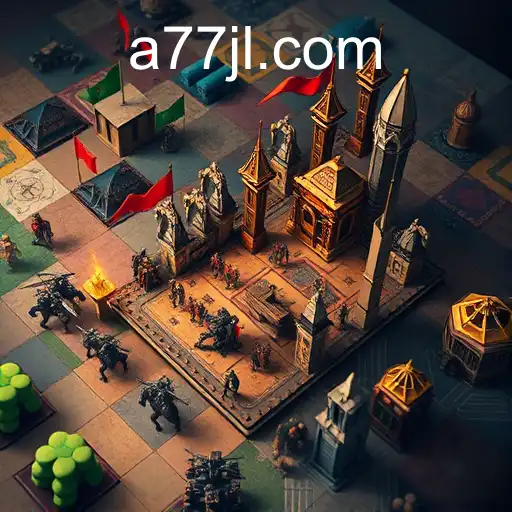
In the realm of online gaming, strategy games have carved out a significant niche for themselves. These games, known for demanding keen wit and tactical thinking, have captivated gamers worldwide. At the heart of the 'Strategy Games' category lies a myriad of digital adventures, each requiring players to carefully plan and execute their moves to outwit opponents or successfully complete intricate missions. Across platforms, strategy games draw players into detailed worlds where resource management, foresight, and cunning are the keys to victory. Whether leading a civilization from the Stone Age to the Space Age, or commanding troops in a strategic war game, strategy games test players' abilities to think several steps ahead.
One unique aspect of strategy games is the wide variety of sub-genres they encompass. Real-time strategy (RTS) games, like StarCraft or Age of Empires, require players to build and manage their resources swiftly and adapt to opponents' tactics on the fly. On the other hand, turn-based strategy games, such as Civilization or XCOM, allow for more deliberate planning, letting players take their time to analyze the board and contemplate their next move. With numerous challenges and endless possibilities, these games offer something for both casual gamers and hardcore strategists.
The popularity of strategy games is further evidenced by the thriving eSports scene surrounding them. High-stakes competitions draw in large audiences who watch professional players showcase their strategic prowess. Success in these arenas relies not just on speed and precision, which are hallmarks of other genres like first-person shooters, but also on deep knowledge of the game’s mechanics and an ability to anticipate opponents’ strategies.
Strategy games also foster a sense of community and collaboration, as many offer multiplayer modes where players can team up with others to achieve common goals. The complexity of these games encourages discussion and debate among players, who often share tips, strategies, and insight in forums and social media platforms. This interactive element adds another rich layer to the experience, transforming solo play into a shared journey of discovery and competition.
Furthermore, the educational value of strategy games shouldn’t be overlooked. These games often teach valuable skills such as critical thinking, project management, and decision-making under pressure. Situations encountered in games often mimic real-world scenarios, compelling players to make choices that could lead to their success or downfall without any real-life consequences. Players must adapt their strategies to changing circumstances, a lesson applicable in many life and career situations.
In essence, the 'Strategy Games' category offers more than just entertainment; it provides a platform for intellectual growth, community building, and competitive excitement. The complexities and challenges of these games continue to attract a dedicated and passionate audience, ensuring that strategy games remain a cornerstone of online gaming culture.
